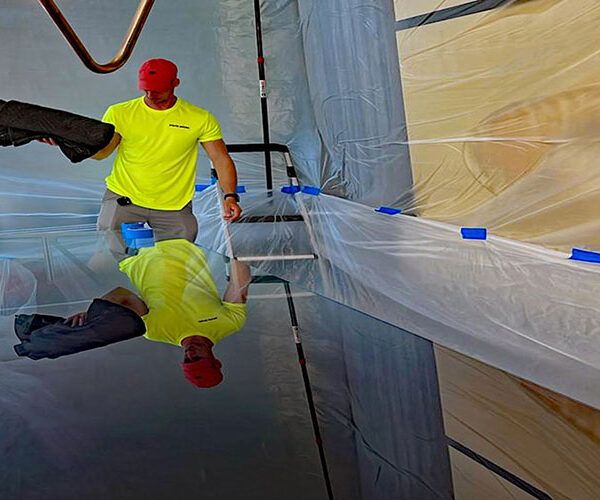



When we think of yachts and marine vessels, the first image that comes to mind is often sleek luxury, shimmering water, and panoramic views through spotless windows. But keeping that glass pristine isn’t easy. Unlike land-based environments, marine glass faces constant exposure to saltwater spray, UV rays, humidity, and abrasive cleaning—all of which contribute to premature wear and unsightly damage. Restoring and maintaining glass on boats requires a specialized understanding of marine conditions, proper techniques, and protective treatments.
The Brutality of the Sea on Glass
One of the biggest threats to marine glass is saltwater corrosion. Salt crystals can etch into the surface of glass over time, especially when allowed to sit under the sun. The constant cycle of wetting and drying leaves mineral deposits, creating water spots and cloudy film that’s extremely difficult to remove with standard cleaning methods.
Compounding the issue is the use of improper cleaning tools. Often, crew members or owners use abrasive cloths, squeegees, or harsh chemicals that do more harm than good. Even minor scratches accumulate quickly, distorting visibility and degrading the vessel’s aesthetic.
Why Marine Glass Restoration Is Different
Restoring glass in a marine environment is a different animal than handling scratched windows on buildings or cars. Marine glass is often curved or treated with UV-resistant coatings. These surfaces require tools and techniques that avoid further stripping or warping. Restoration experts must identify the type of damage—whether it’s surface-level scratches, deeper gouges, or embedded salt—and customize the solution accordingly.
Also unique to marine restoration is the need for mobility. Unlike residential or commercial jobs, glass restoration for boats often happens dockside or in marinas. Technicians must bring all necessary equipment, work around tight spaces, and manage moisture, motion, and variable weather—all while protecting high-value assets.
UV Damage and Visibility Concerns
Beyond scratches, UV exposure breaks down glass coatings over time, especially on tinted or polarized marine windows. This fading or discoloration can affect navigation visibility, which is a safety concern, especially for pilothouse glass and windows near instrumentation.
In more severe cases, degraded glass reduces resale value and can necessitate full replacement. This is where skilled glass restoration professionals can extend the life of marine glass with polishing systems, sealing treatments, and post-restoration protective coatings.
Prevention Through Protective Coatings
Prevention is just as important as restoration. High-quality glass sealers create an invisible barrier that repels salt, dirt, and water. These coatings reduce the rate of corrosion and etching, minimize water spotting, and make regular cleaning much easier. Applying a marine-grade sealer after restoration is an essential step to preserve clarity and minimize future damage.
Scratch Doctors: Your Marine Glass Restoration Experts
Whether you’re restoring a luxury yacht, a fishing vessel, or a sailboat, don’t leave your glass to chance. It takes professional-grade tools, advanced techniques, and a deep understanding of marine environments to do the job right. At Scratch Doctors, our technicians specialize in restoring marine and yacht glass with precision. We understand the unique challenges of saltwater corrosion and are equipped to restore clarity and strength to your vessel’s windows and windshields. Don’t settle for dull, scratched surfaces—let us help you protect your view at sea. Call 786-263-2825
——–
Frequently Asked Questions
1. Can saltwater permanently damage marine glass?
Yes, salt can etch the surface of glass over time, especially when exposed to sunlight. This creates permanent marks if not addressed quickly.
2. What’s the difference between regular and marine glass restoration?
Marine restoration accounts for salt corrosion, UV exposure, and curved or coated surfaces, requiring specialized tools and expertise.
3. Can scratched yacht windows be repaired or do they need replacing?
Most surface-level scratches and etching can be repaired professionally, saving you the cost and hassle of full glass replacement.
4. How long does a marine-grade glass sealer last?
A high-quality marine glass coating can last 6 to 12 months, depending on usage, exposure, and maintenance.